Show Posts
1
Civil penalty charge notices (Councils, TFL and so on) / Re: Newham council appeal rejected - Disabled bay - Stratford Broadway
« on: April 15, 2026, 11:39:15 am »Please show us a copy of yr representations, that we may see how well the council addressed yr specific points.
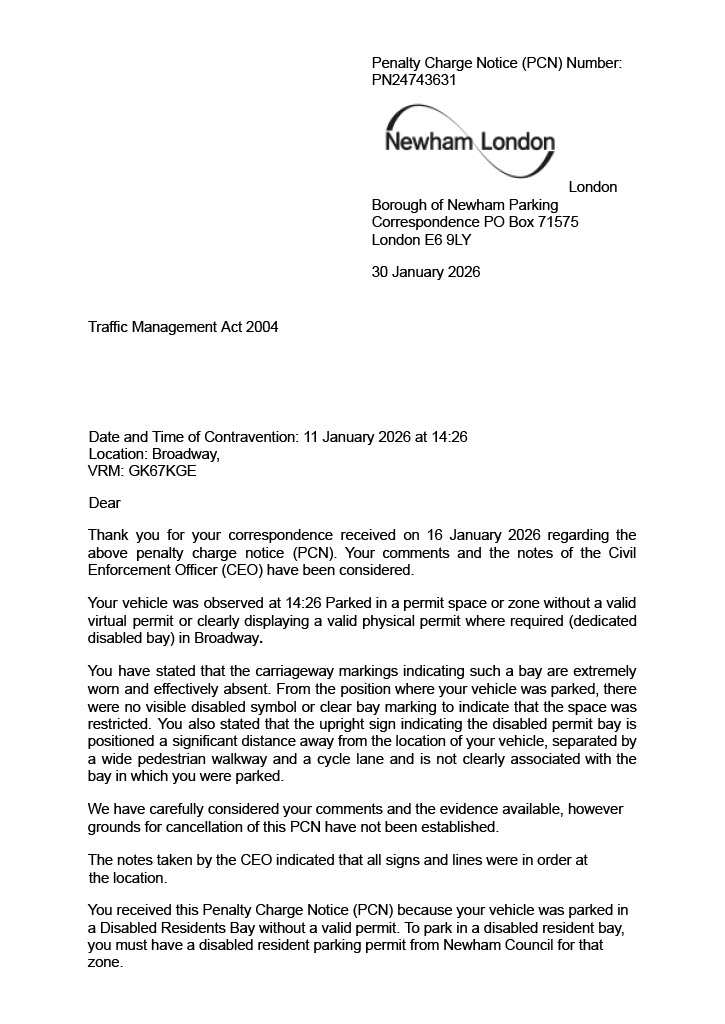
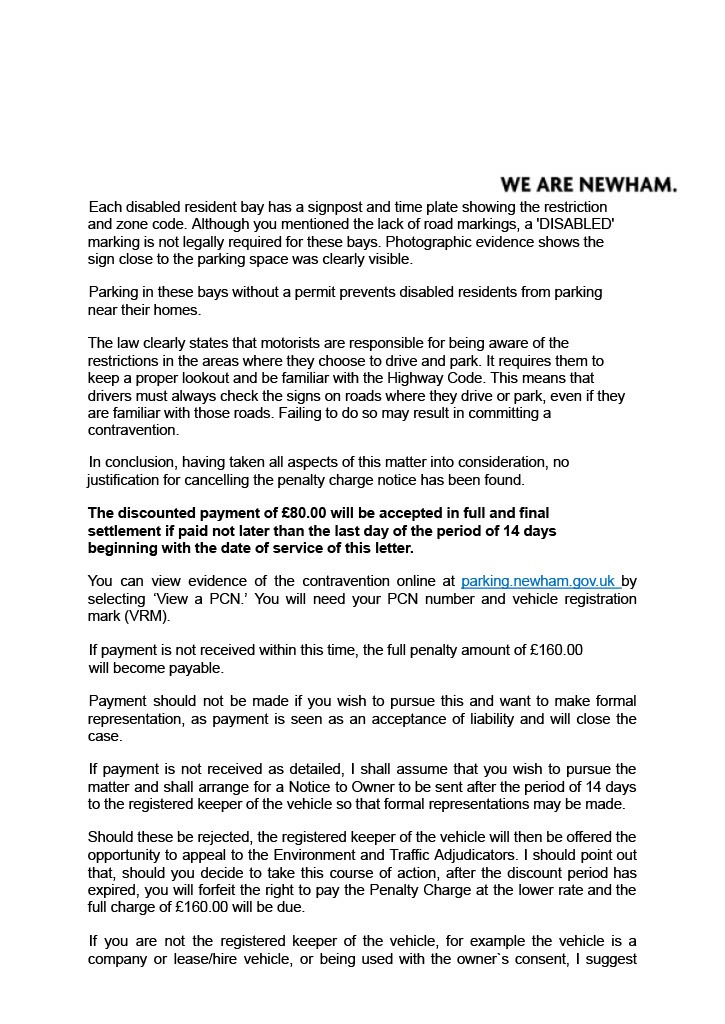
This is what I sent in:
FORMAL REPRESENTATIONS
Ground: The alleged contravention did not occur
I repeat my informal representations that the alleged contravention did not occur owing to inadequate and ambiguous signage.
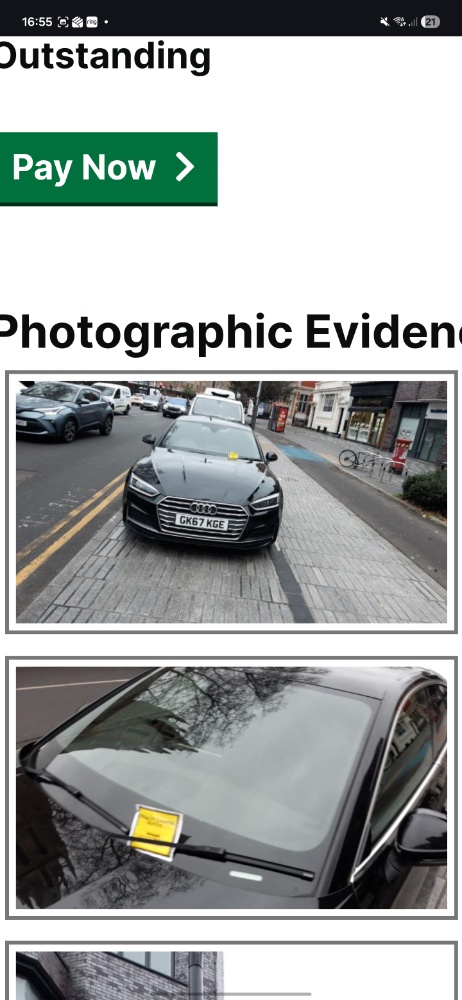
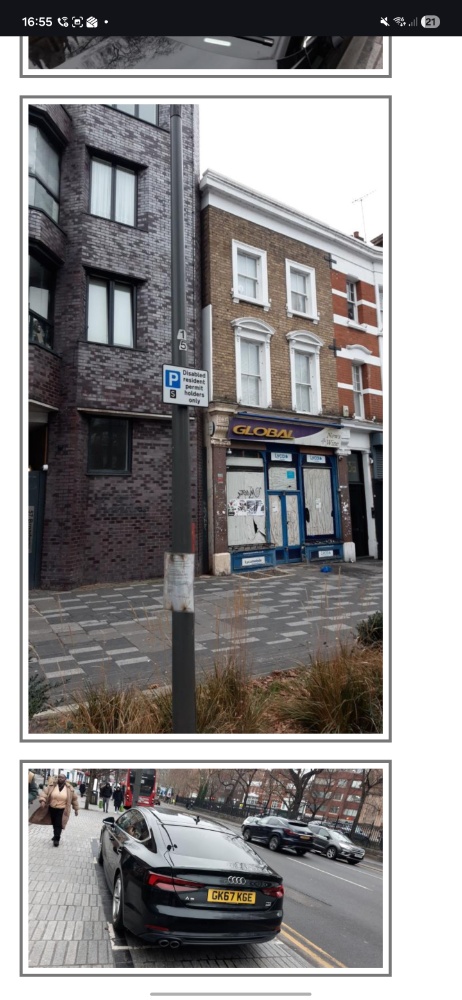
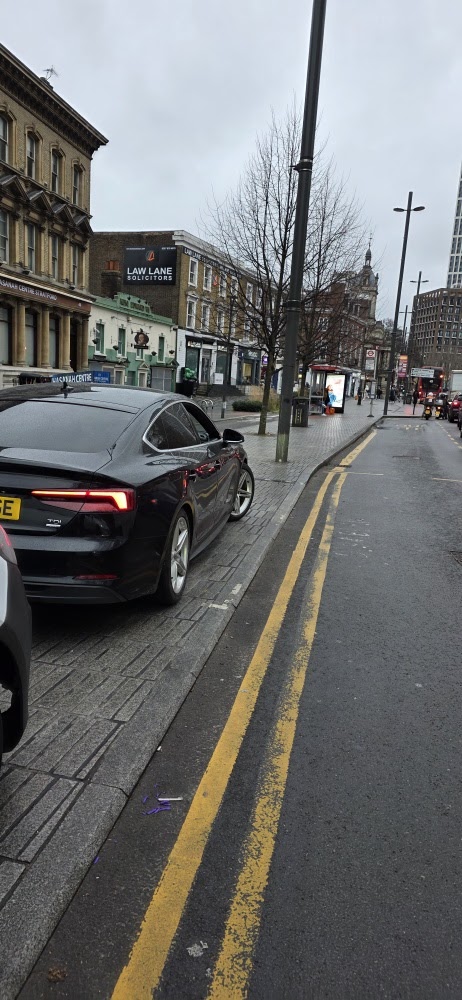
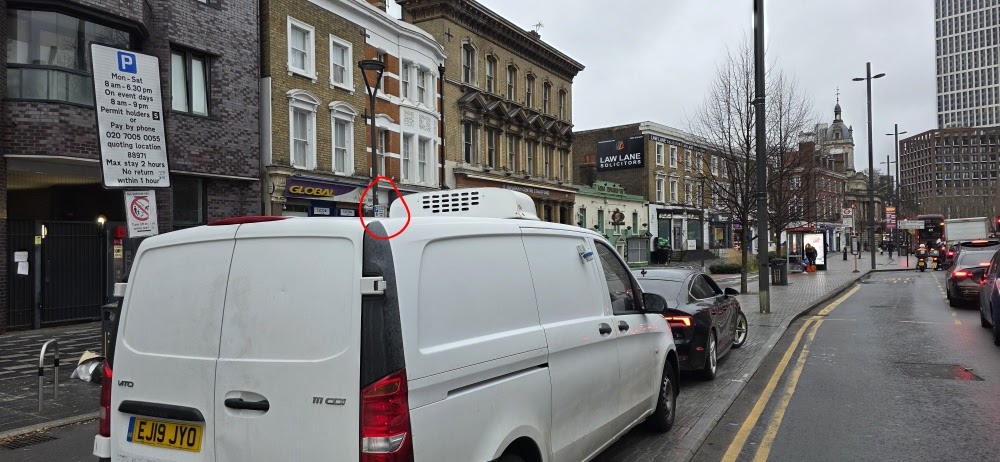
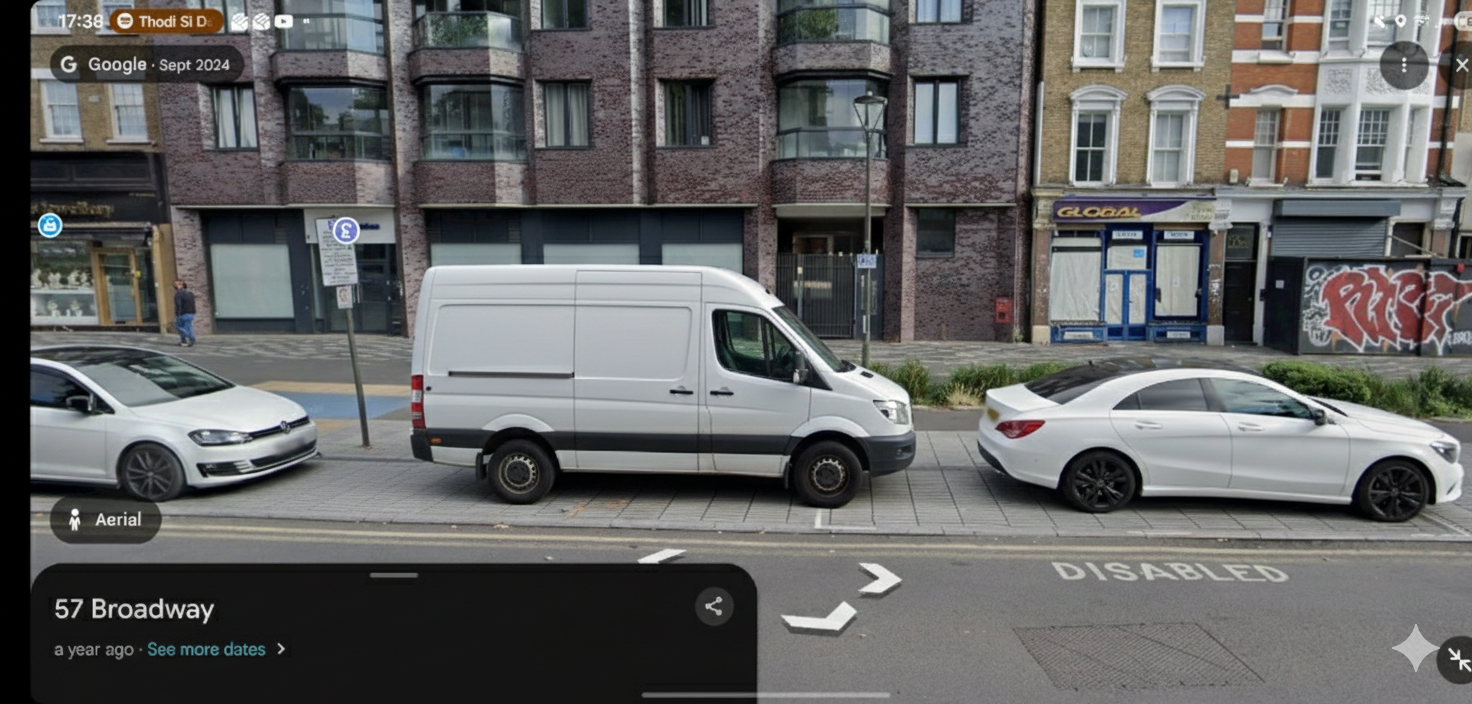
On the date in question, the bay layout appeared to be one continuous length governed by the adjacent shared-use parking sign positioned directly alongside the vehicle. There were no clear transverse markings or visible carriageway legend separating a disabled residents’ bay from the shared-use bay.
The disabled residents’ permit sign relied upon by the authority is positioned on the opposite side of a cycle track and separated from the parking bay by a footway and cycle lane. It is not located on or immediately adjacent to the bay in which the vehicle was parked.
By contrast, the shared-use sign is directly adjacent to the continuous bay and not separated by any carriageway feature. A motorist was entitled to rely on that sign.
The layout created ambiguity as to which restriction applied.
I refer the authority to the following allowed appeals concerning the same location (Broadway, Newham):
Jaroslav Sender v LB Newham (2240246109, 18 July 2024)
Fabiha Ahmed v LB Newham (2240026419, 26 March 2024)
In case 2240246109 the adjudicator held:
“There appear to be no clear dividing lines between the two types of bay which might alert the motorist to the need to look carefully for a different sign. The signage does not comply in any way with the suggestions of the Traffic Signs Manual Chapter 19 para 13.21.4 regarding the signage of adjacent types of bays.”
In case 2240026419, the adjudicator found that where the disabled sign was posted on the other side of a cycle lane and set back from the bay, this created ambiguity as to the restriction and the contravention was not proved.
The present case is materially similar. The burden of proof rests with the authority. In circumstances where adjacent bay types exist, clear differentiation and clear association between sign and bay are required.
Here, the disabled sign is set back and separated by a cycle track, while the shared-use sign is directly adjacent to what appears to be a single continuous bay. The restriction was not adequately conveyed.
Accordingly, the alleged contravention is not proved and the Notice to Owner must be cancelled.