Thanks very much,
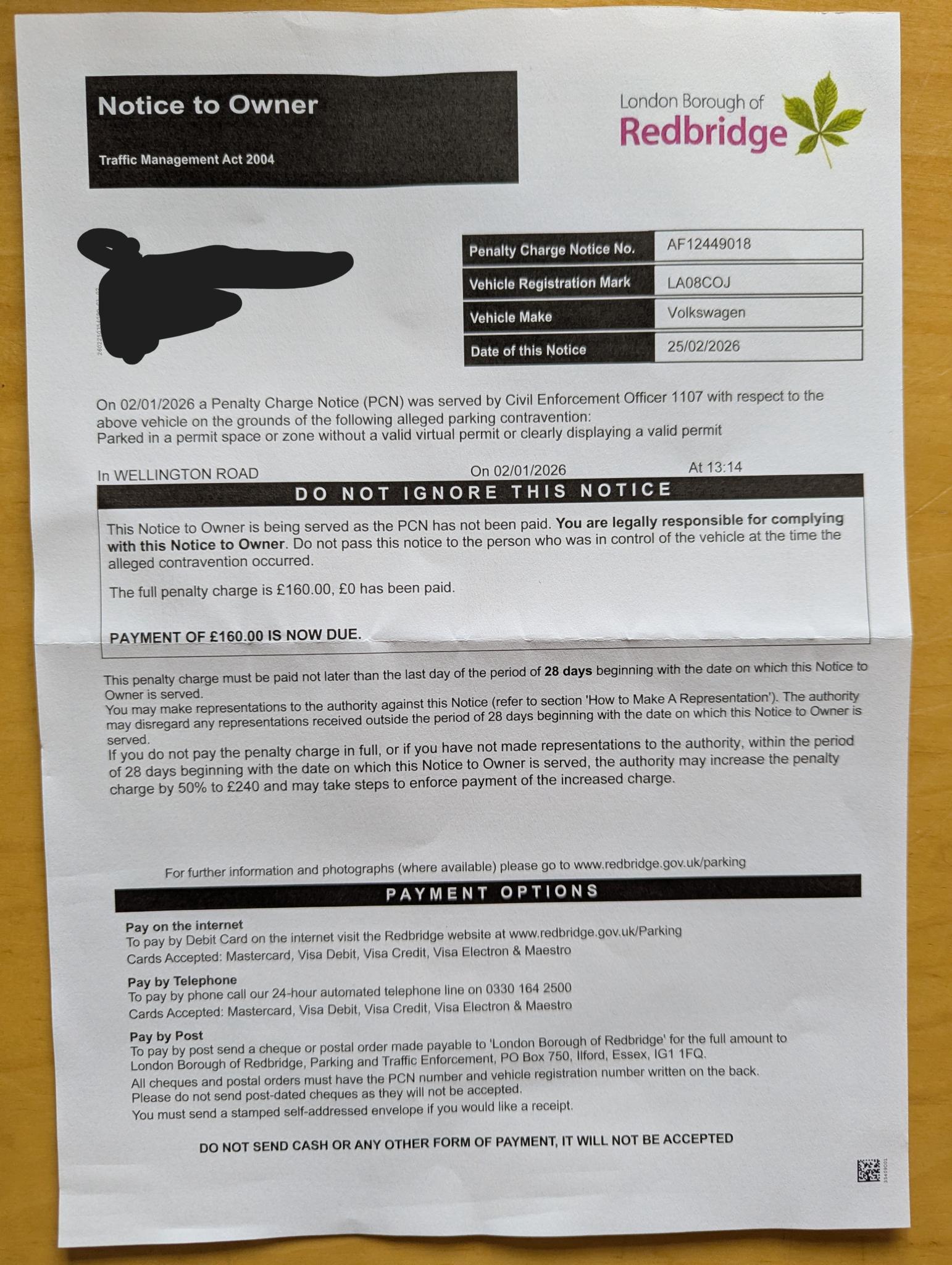
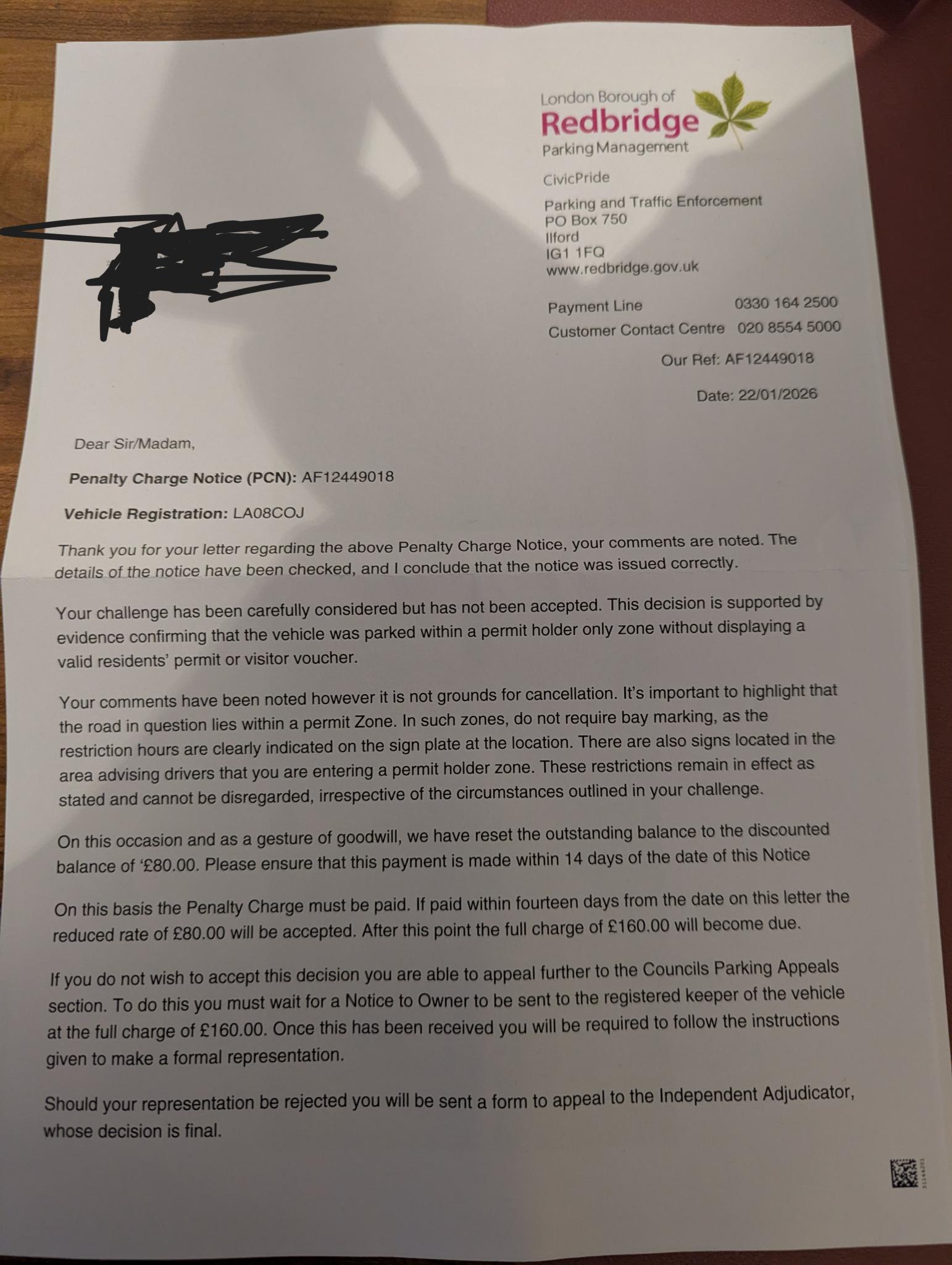
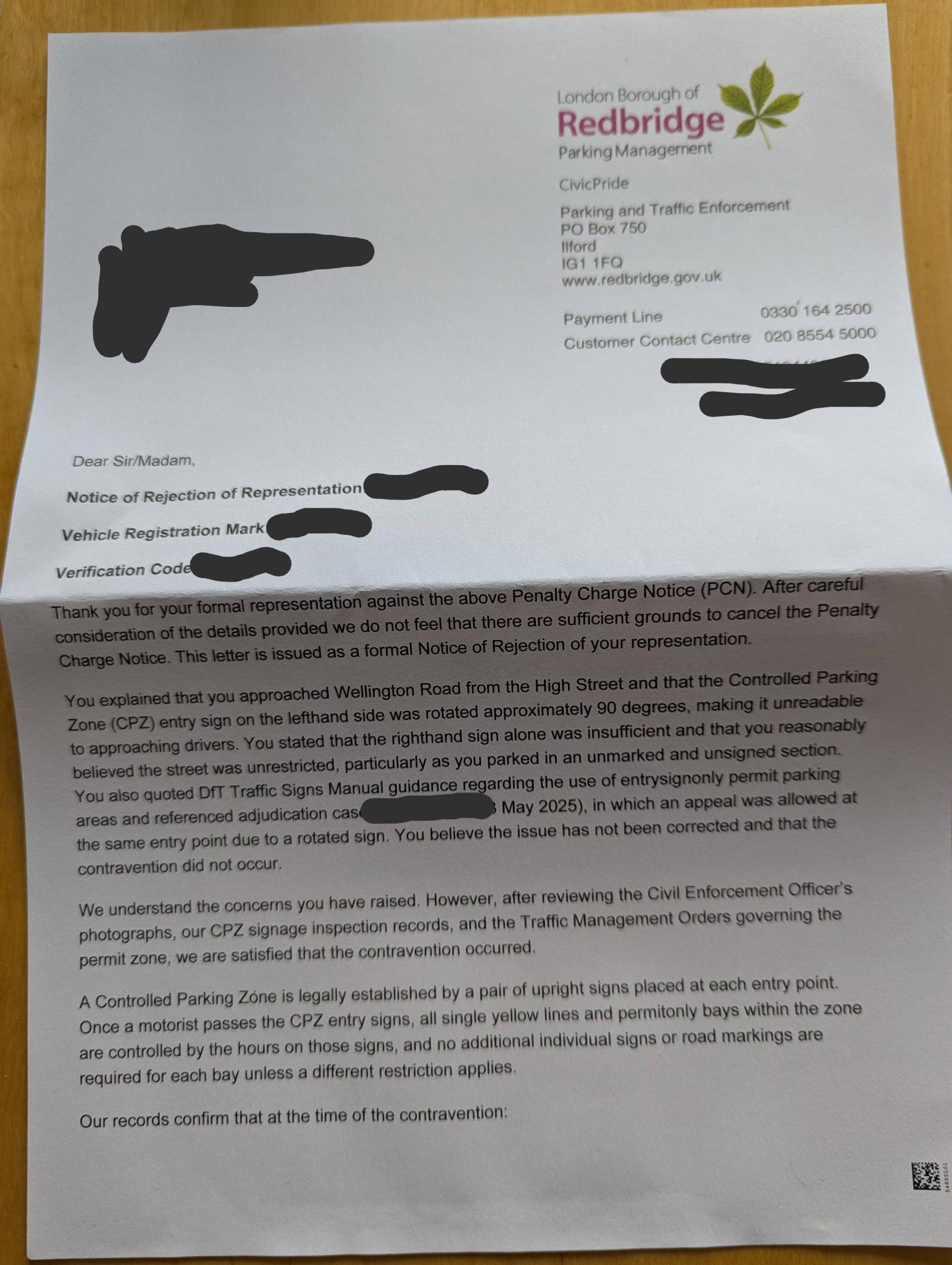
Rejection received as expected:
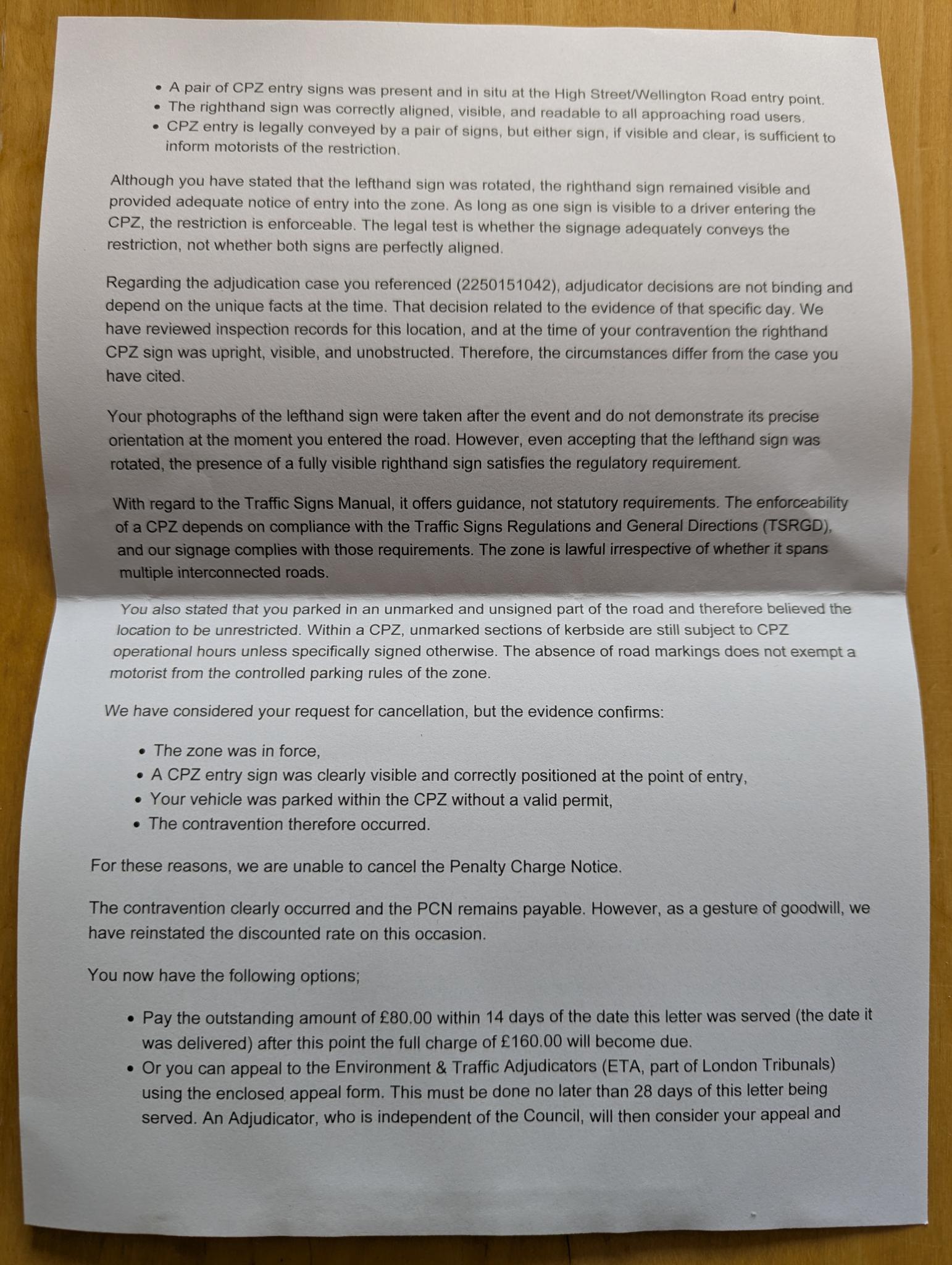
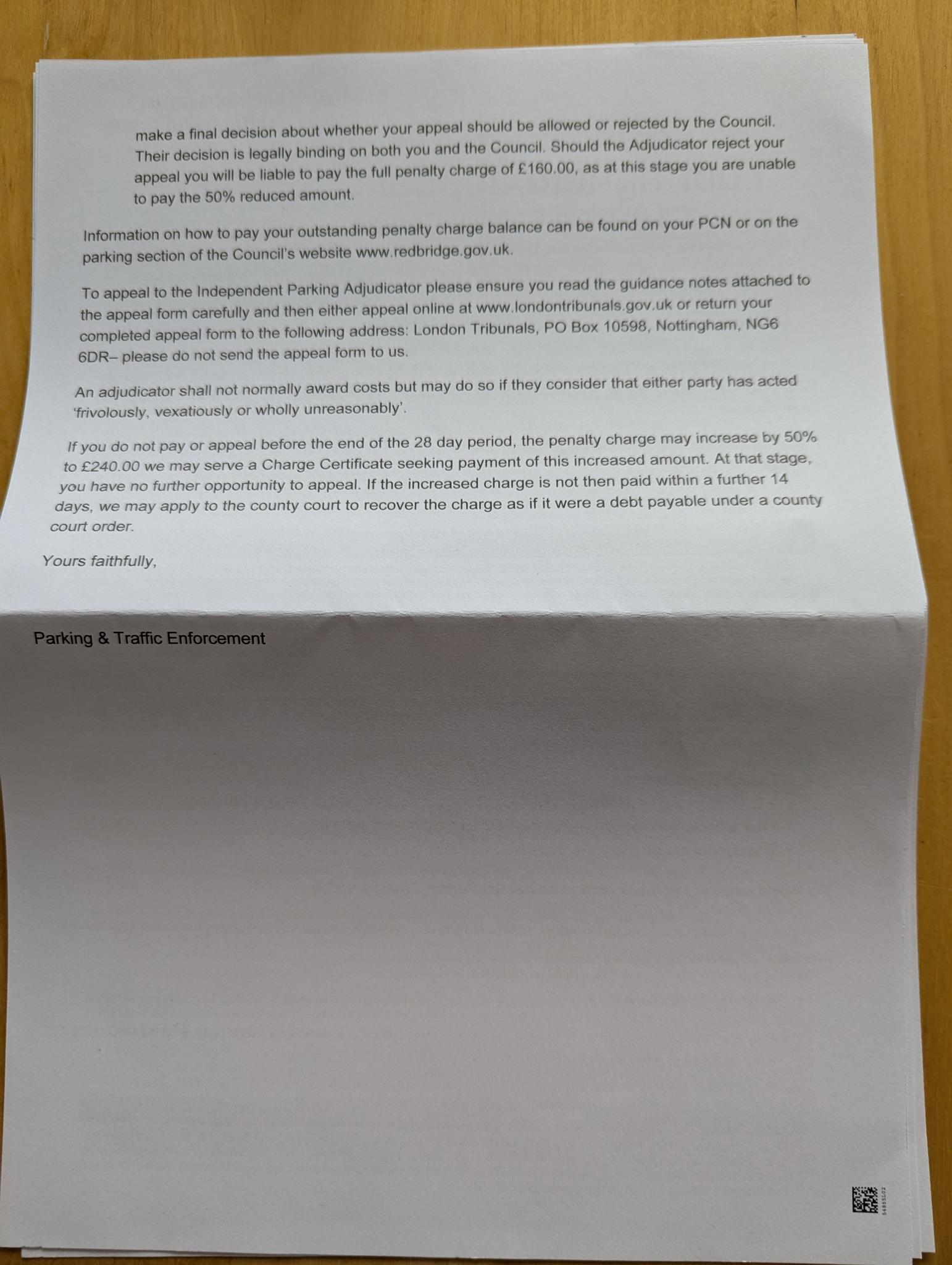
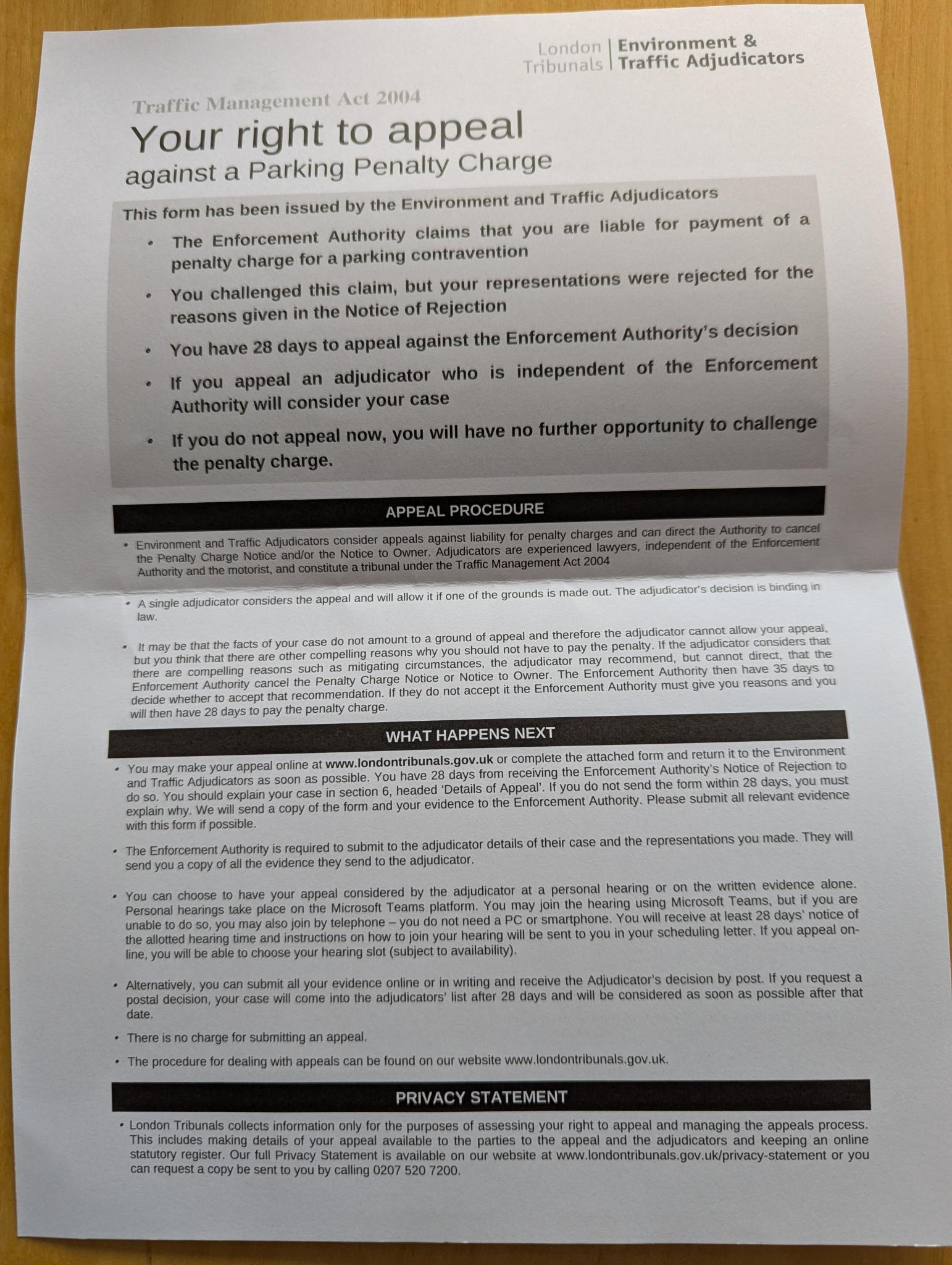
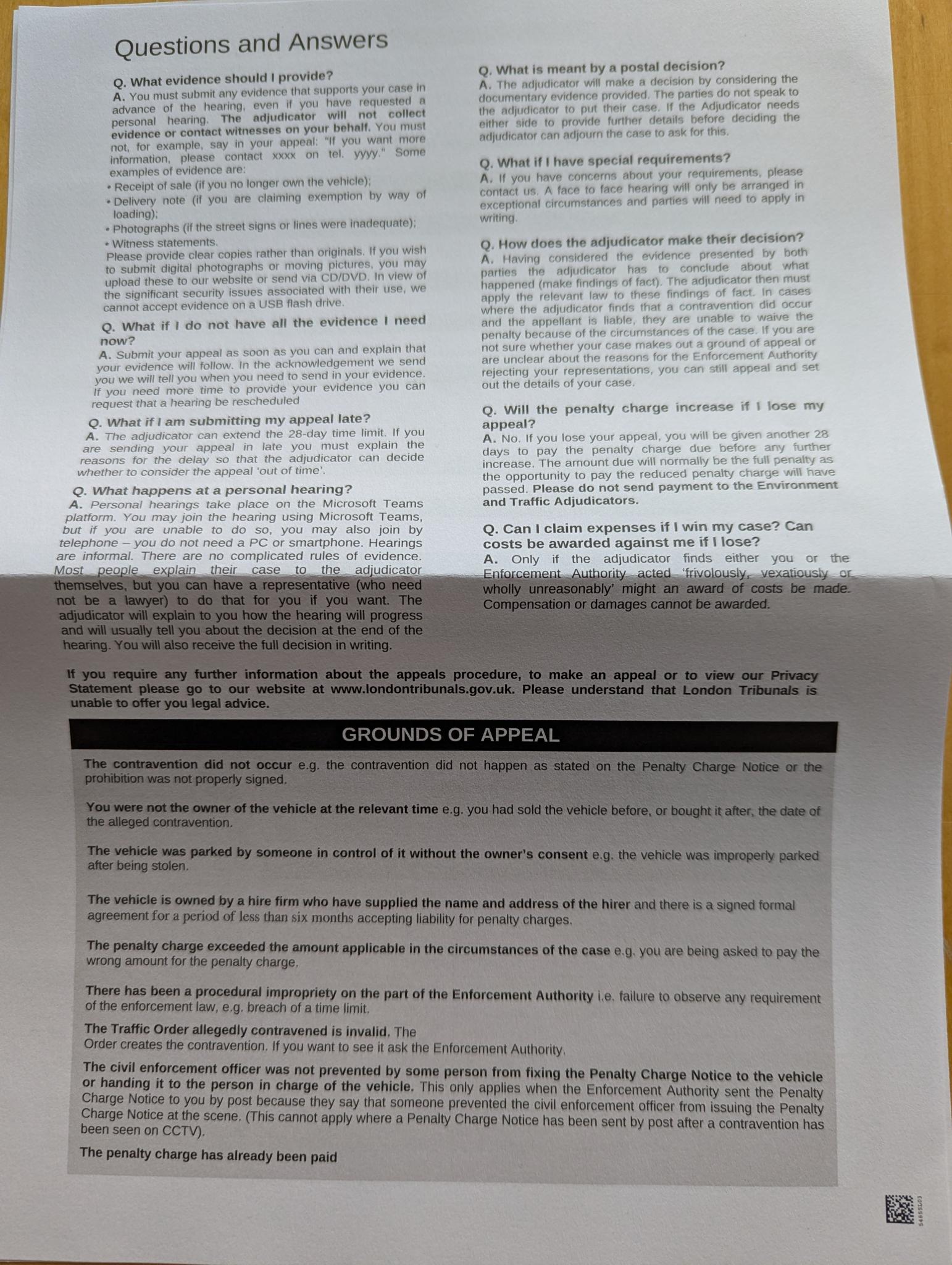
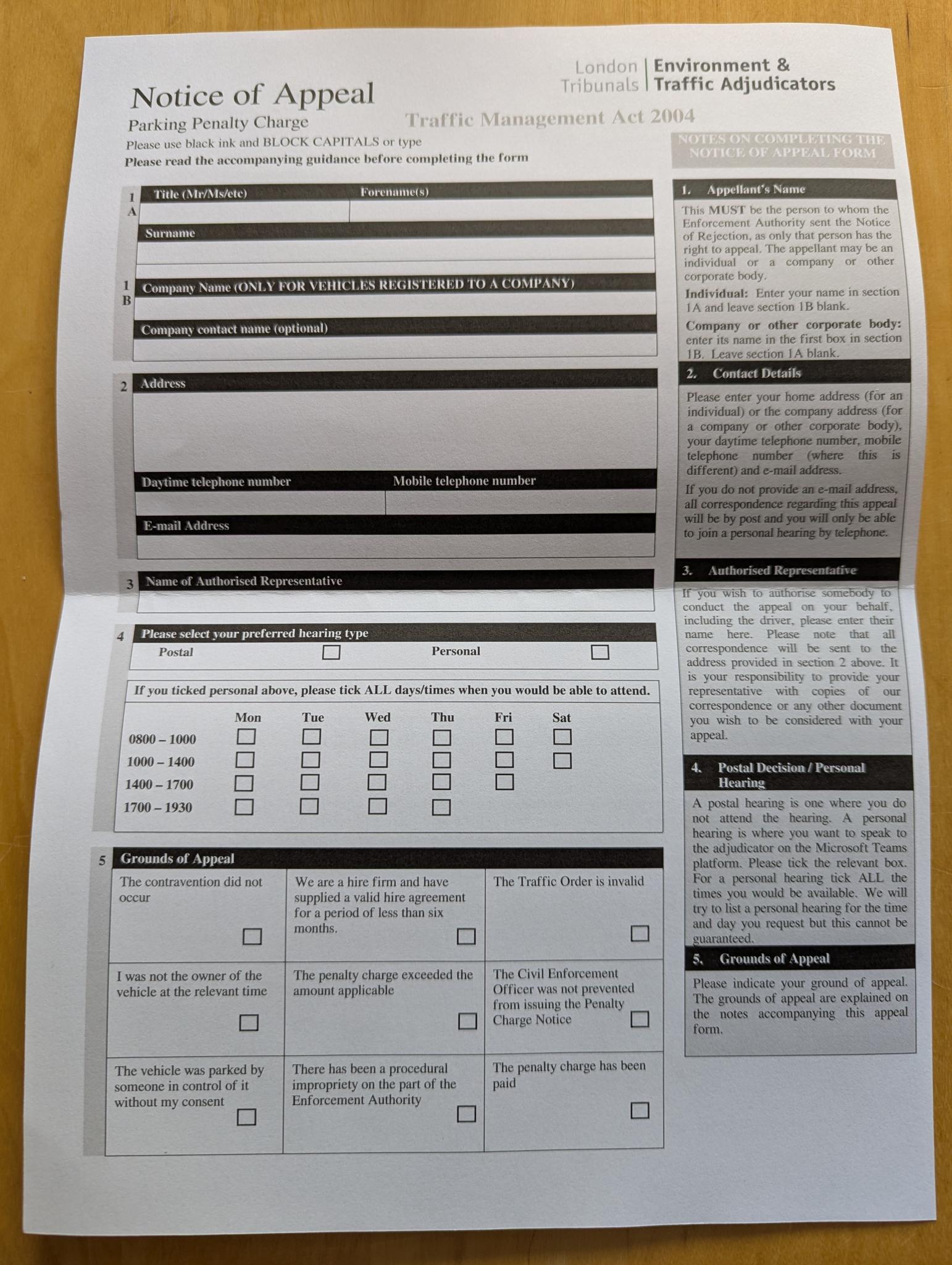
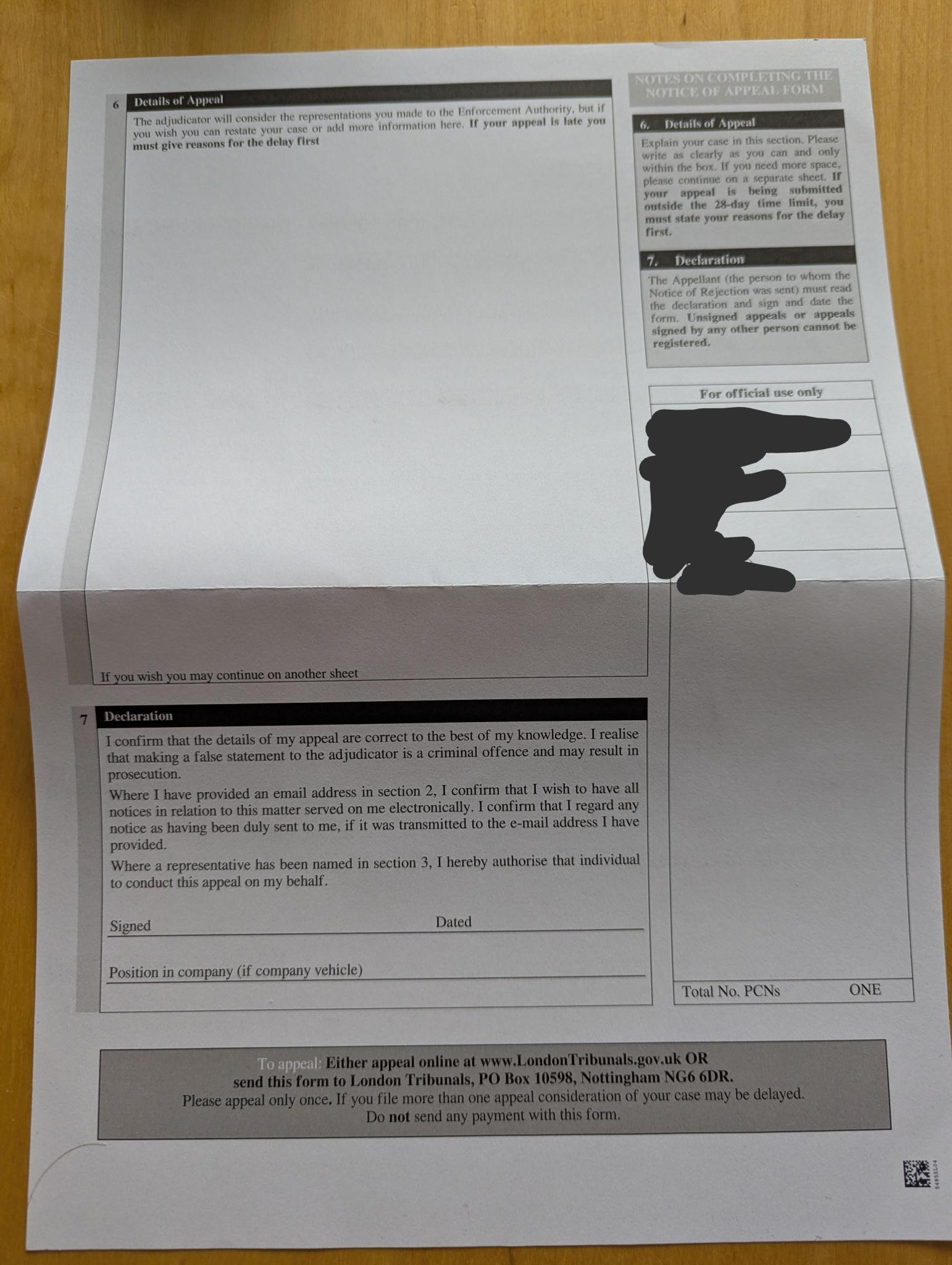
Based on the response and my original appeal, I have created a first draft for a tribunal submission.
I have incorporated comments from toncombe about repeater sign being irrelevant if entry sign unsuitable.
I would really appreciate assistance with determining if this is suitable for a tribunal submission, any areas which need amending, as well as anything which might need adding or removing. Explanantions for any suggestions would be greatly appreciated:
I am appealing on the grounds that the contravention did not occur due to defective entry signage, and that there has been a procedural impropriety on the part of the Enforcement Authority.
The factual case
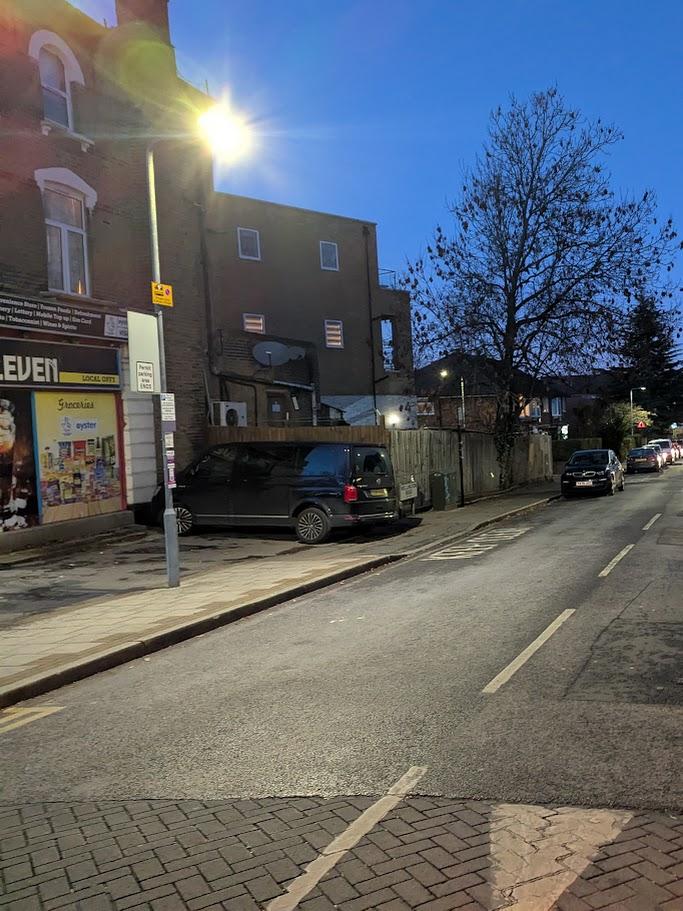
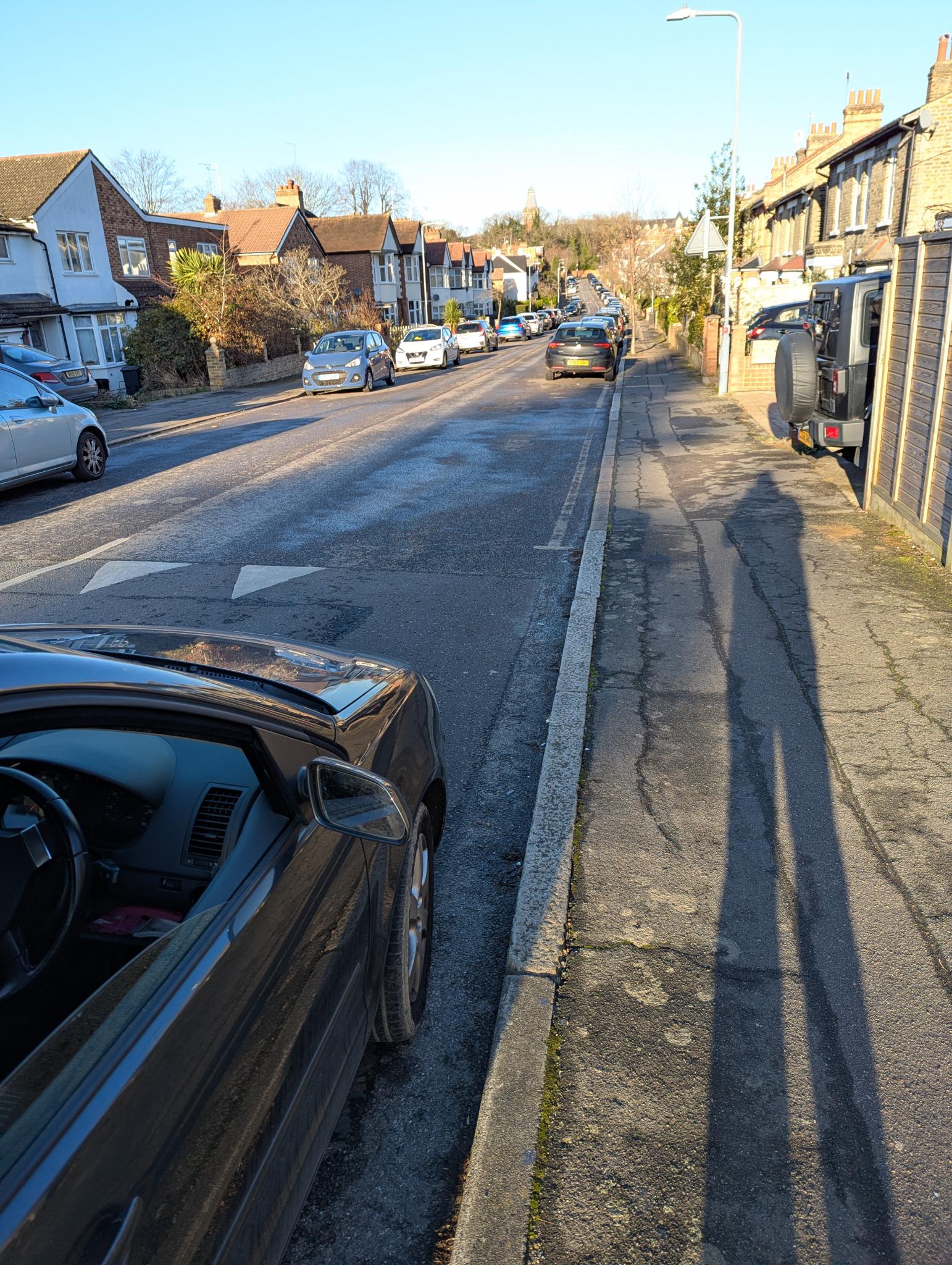
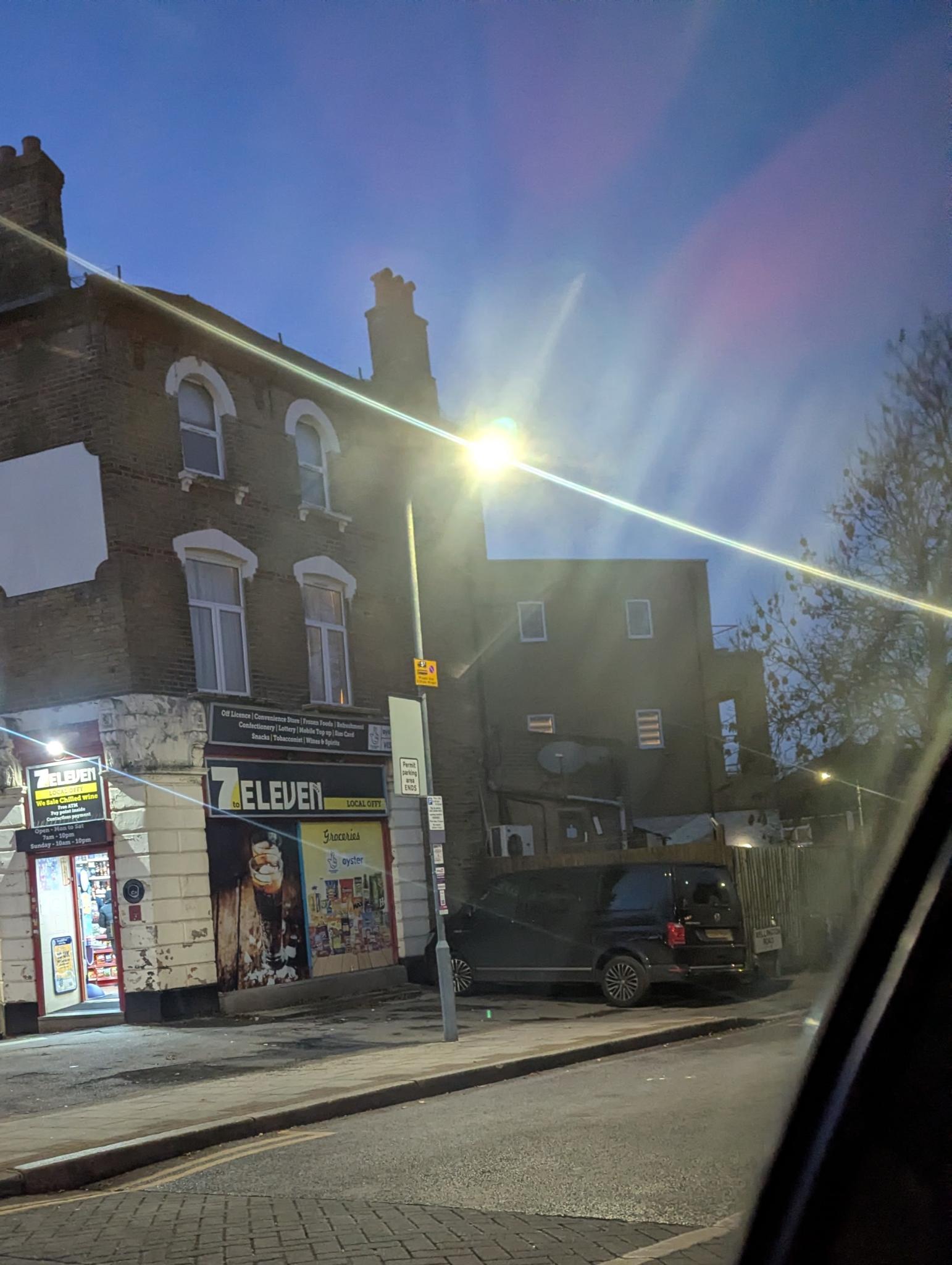
On the date of the alleged contravention I entered Wellington Road from the High Street, turning left. The Controlled Parking Zone entry sign on the left-hand side of the carriageway was rotated approximately 90 degrees, rendering it not visible to approaching drivers. Photographic evidence of this sign in its rotated condition is provided at image 1.
As the council itself acknowledges in its Notice of Rejection, a Controlled Parking Zone is legally required to have a pair of visible entry signs, one placed on each side of the road, at every entry point. This requirement exists to ensure that drivers are able to see the sign before entering the zone. A rotated sign does not meet this requirement. A single sign on the far side of the carriageway for a driver turning left does not fulfil that requirement. For example, a single sign on the opposite carriageway is easily obscured by any large vehicle going in the other direction.
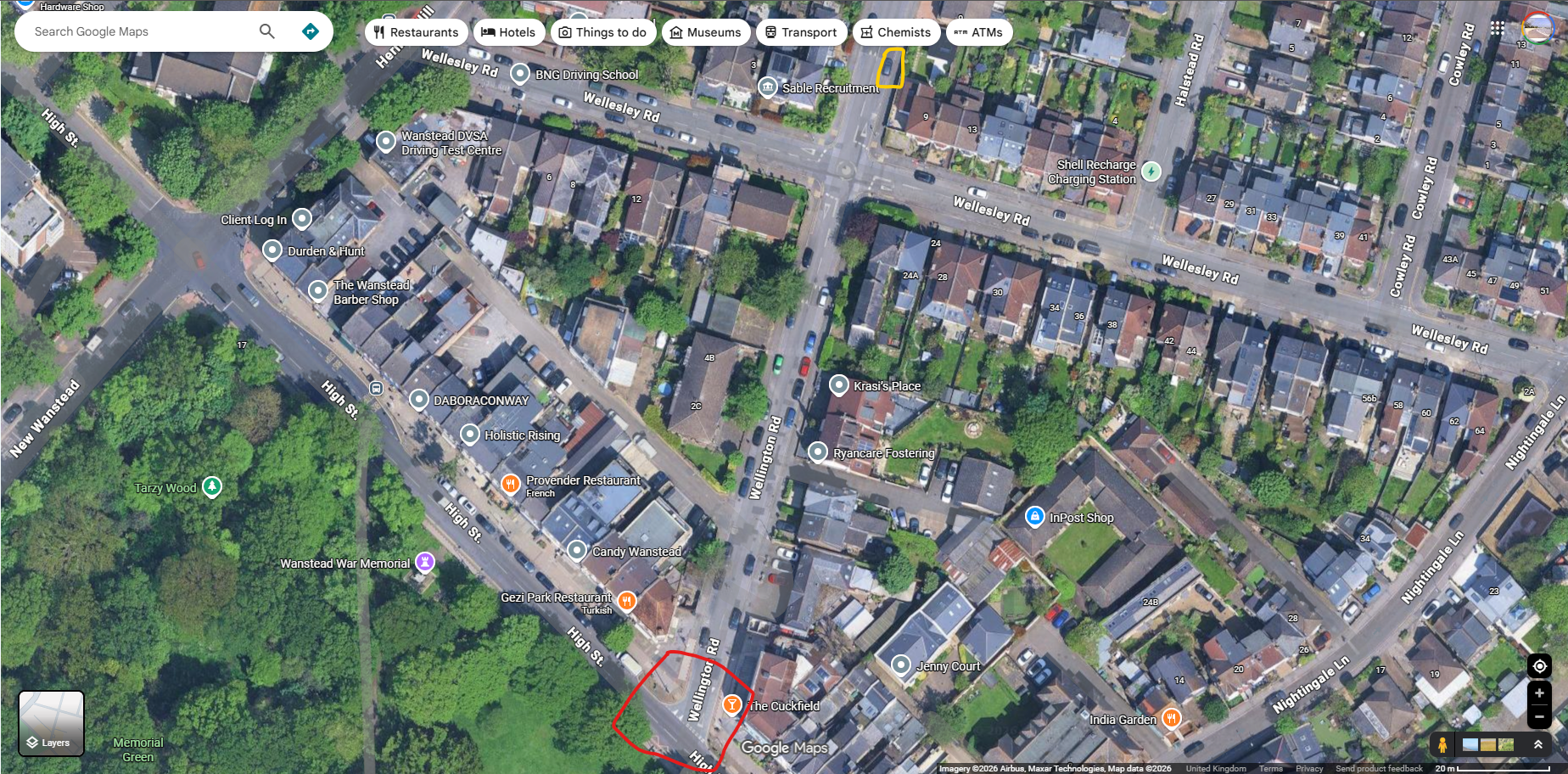
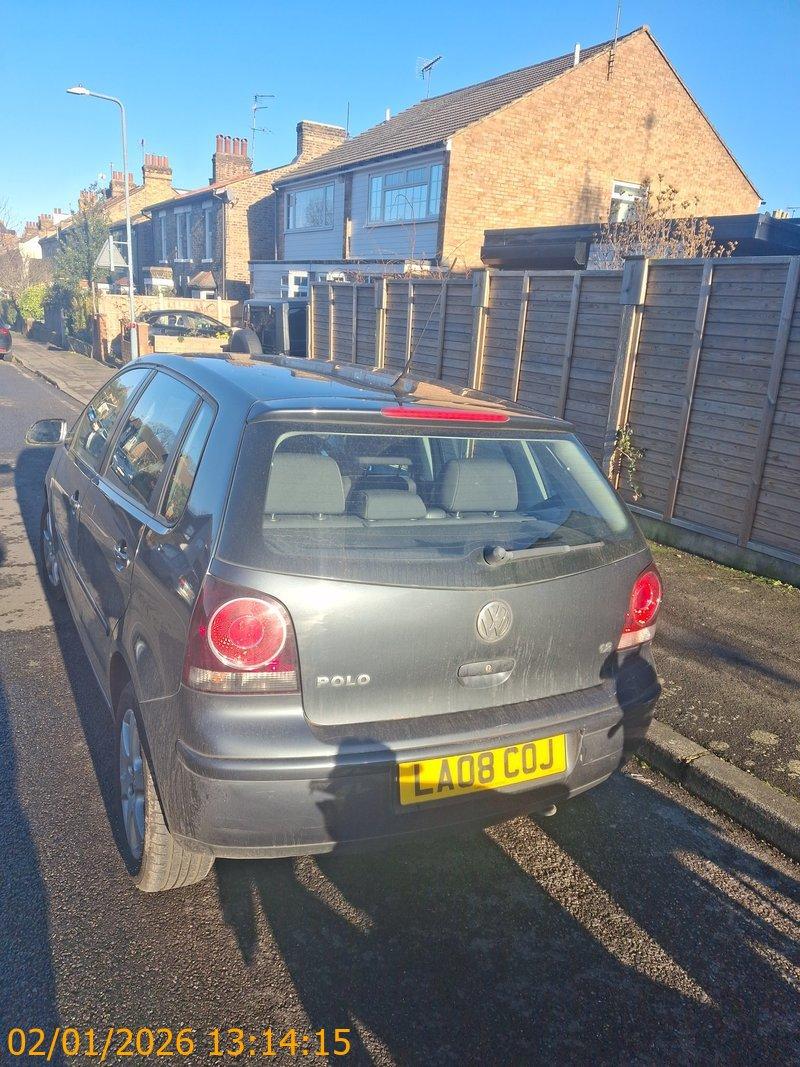
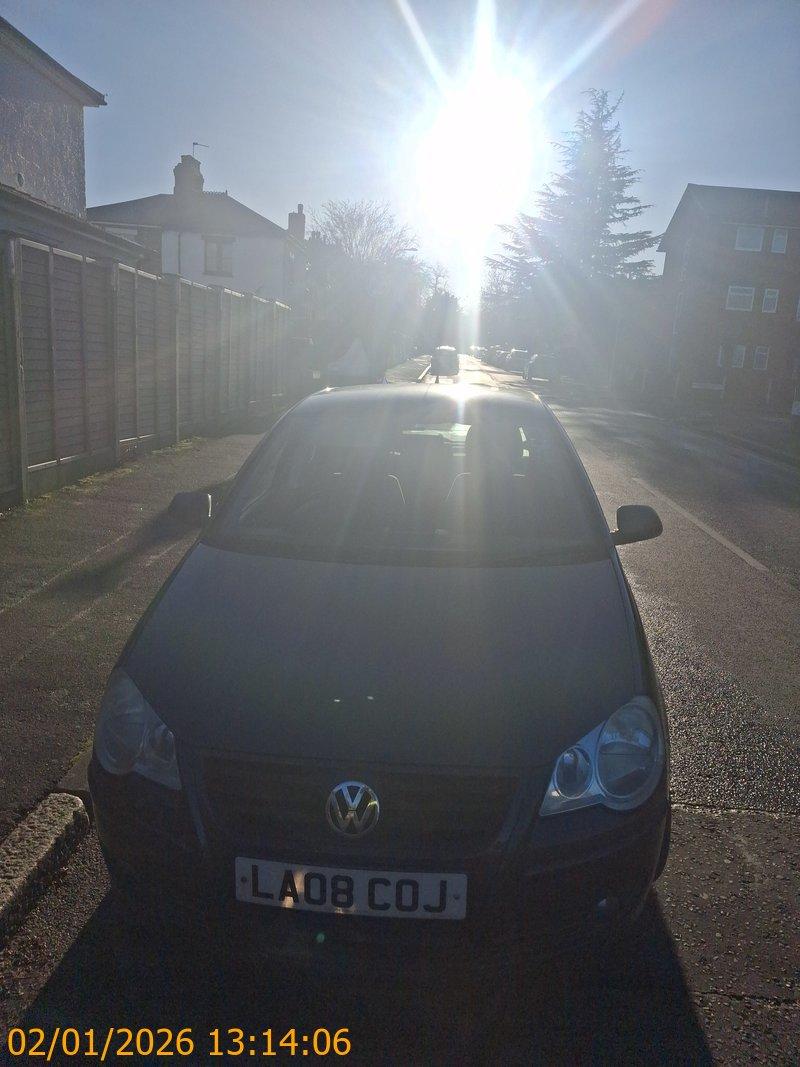
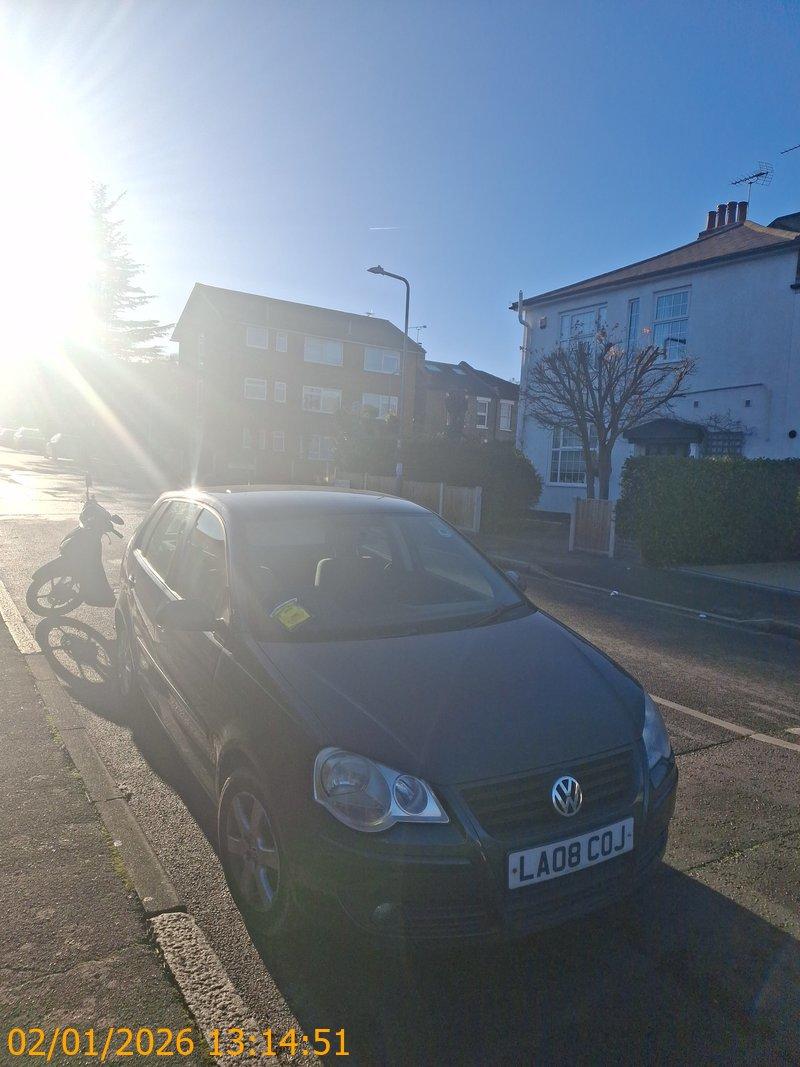
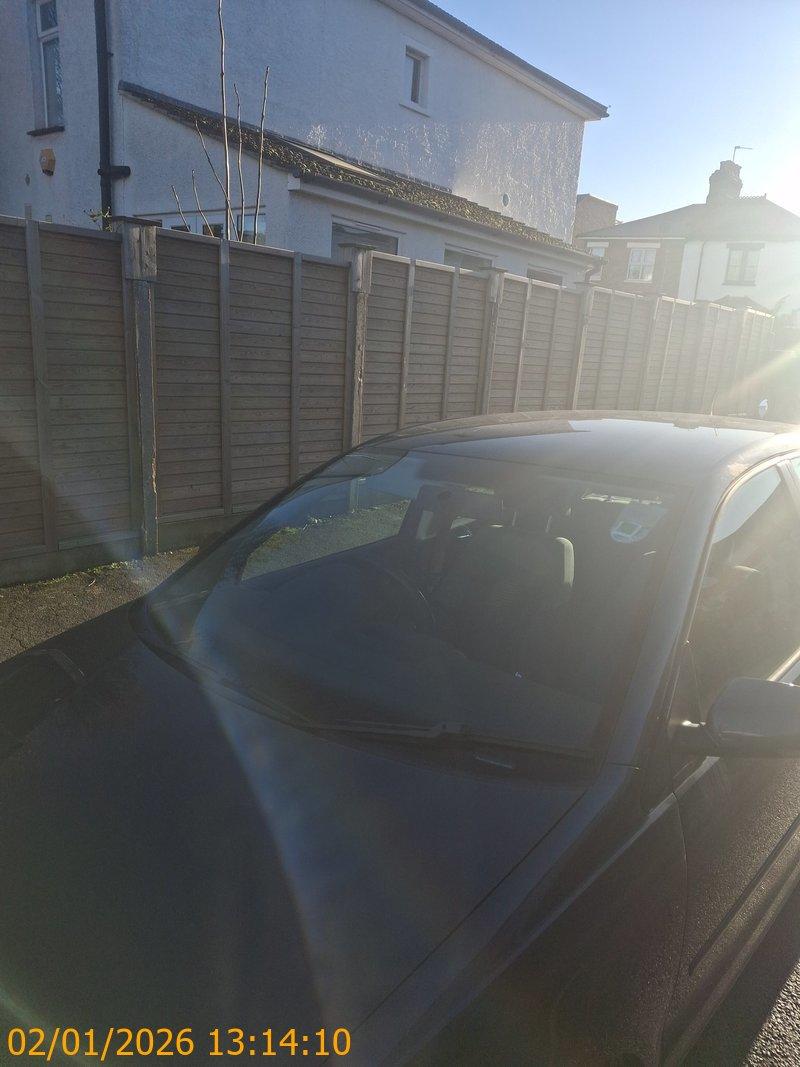
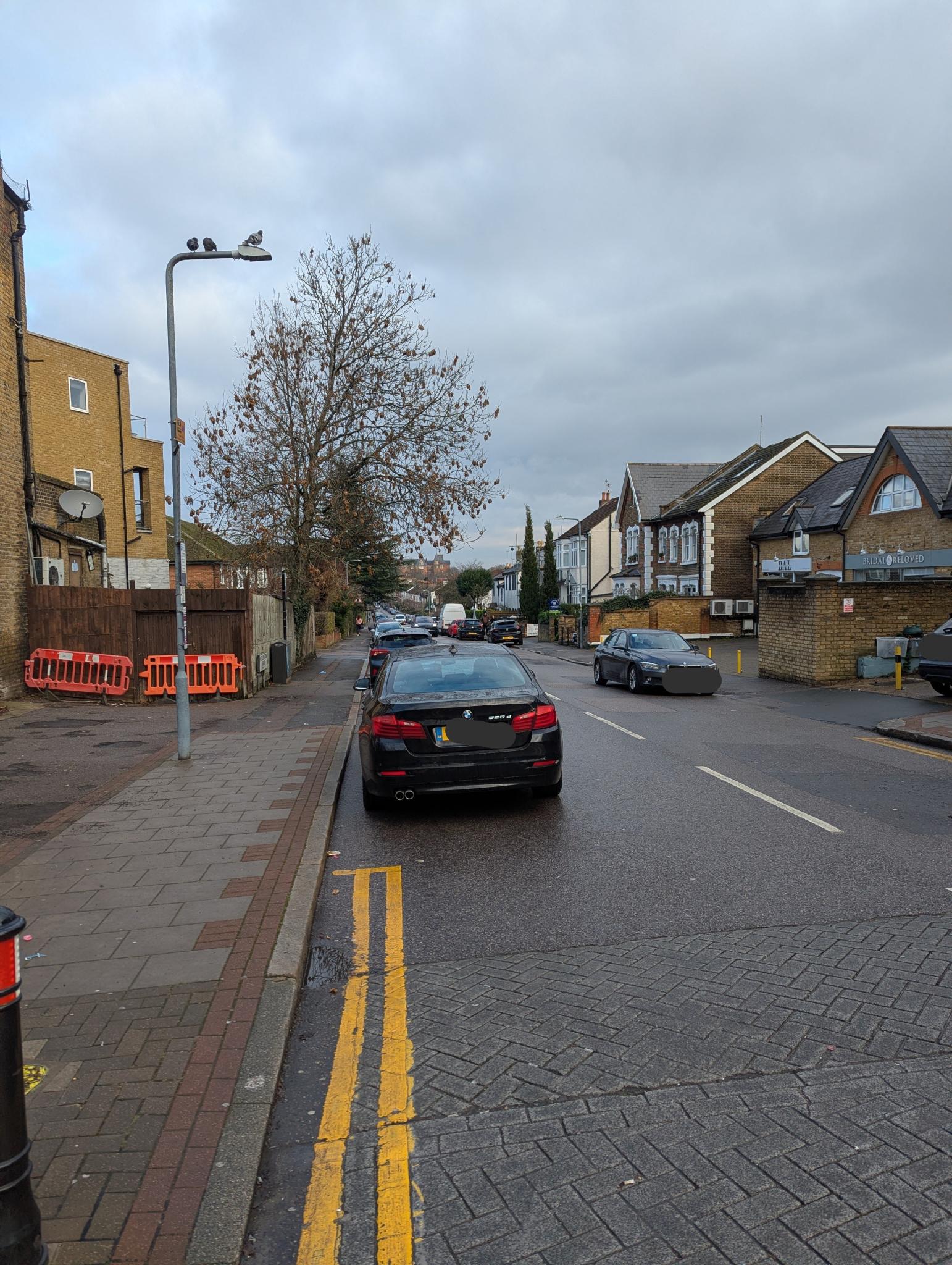
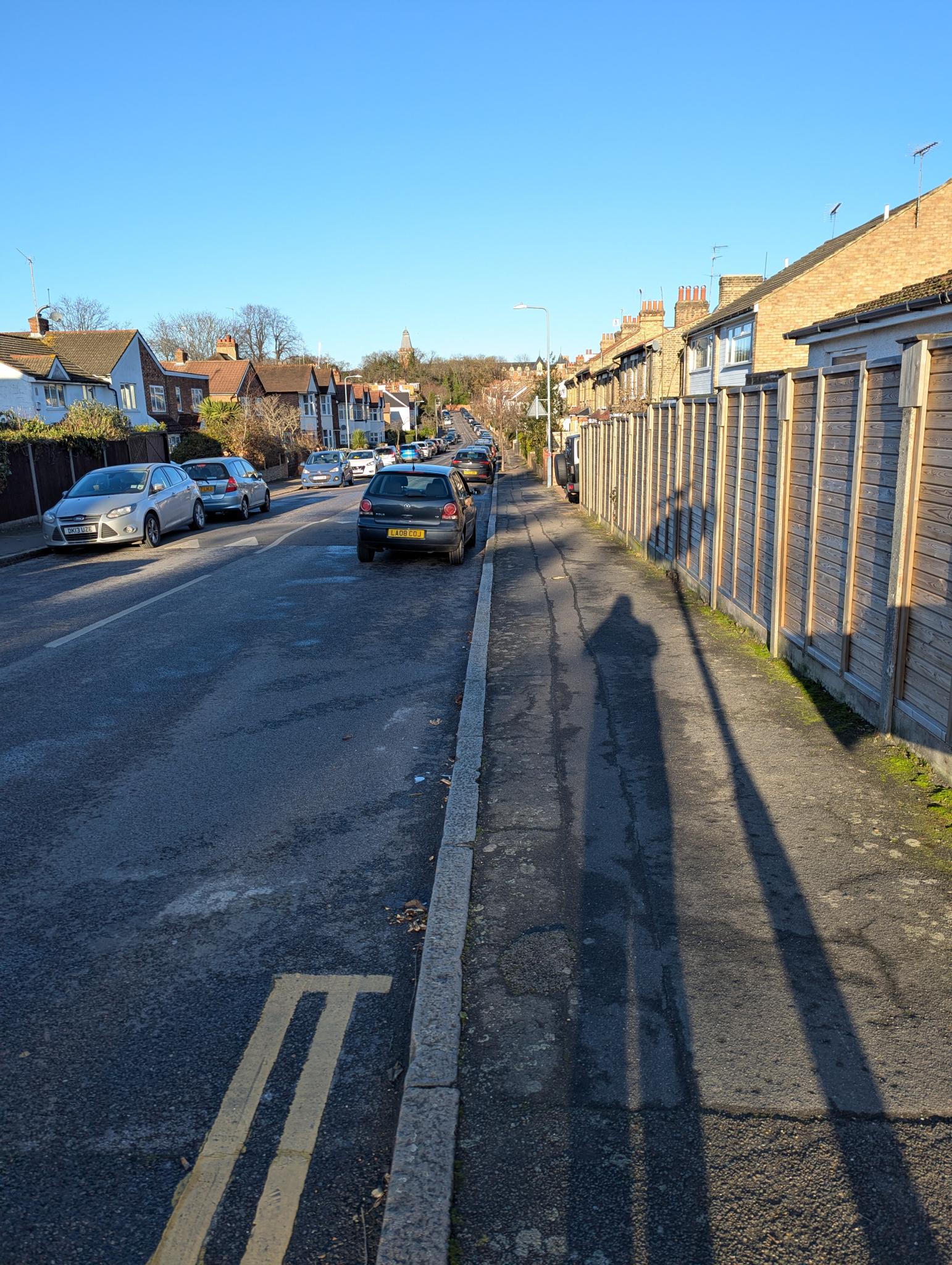
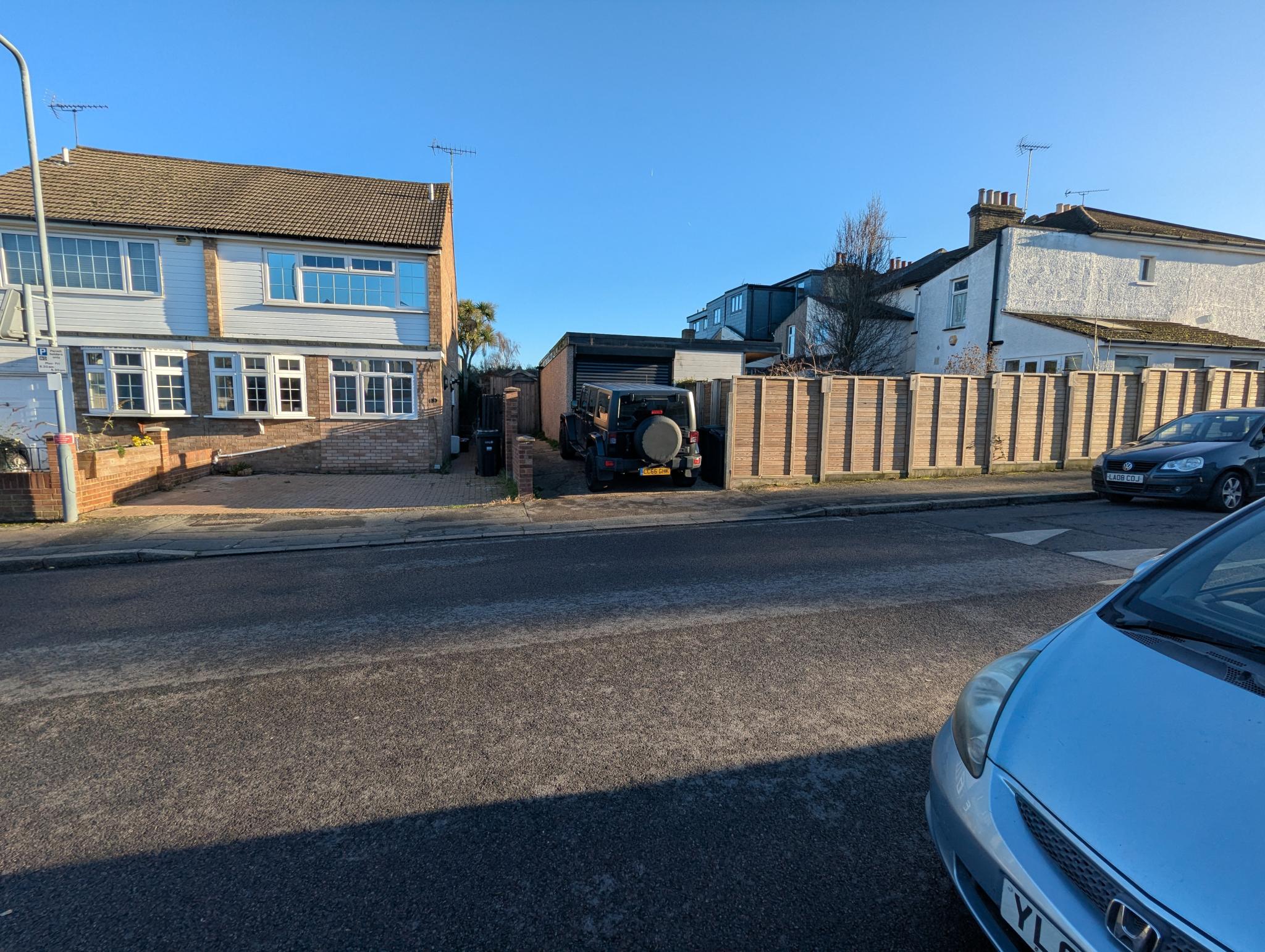
Having passed the entry point I drove approximately 150 metres along Wellington Road, passing through a mini roundabout, before parking. Wellington Road contains sections with double yellow lines and single yellow lines with accompanying signage. I parked in a section with none of these markings. Both the presence of these lines and the absence of markings where I parked are shown in image 2. I reasonably concluded that this section of road was unrestricted.
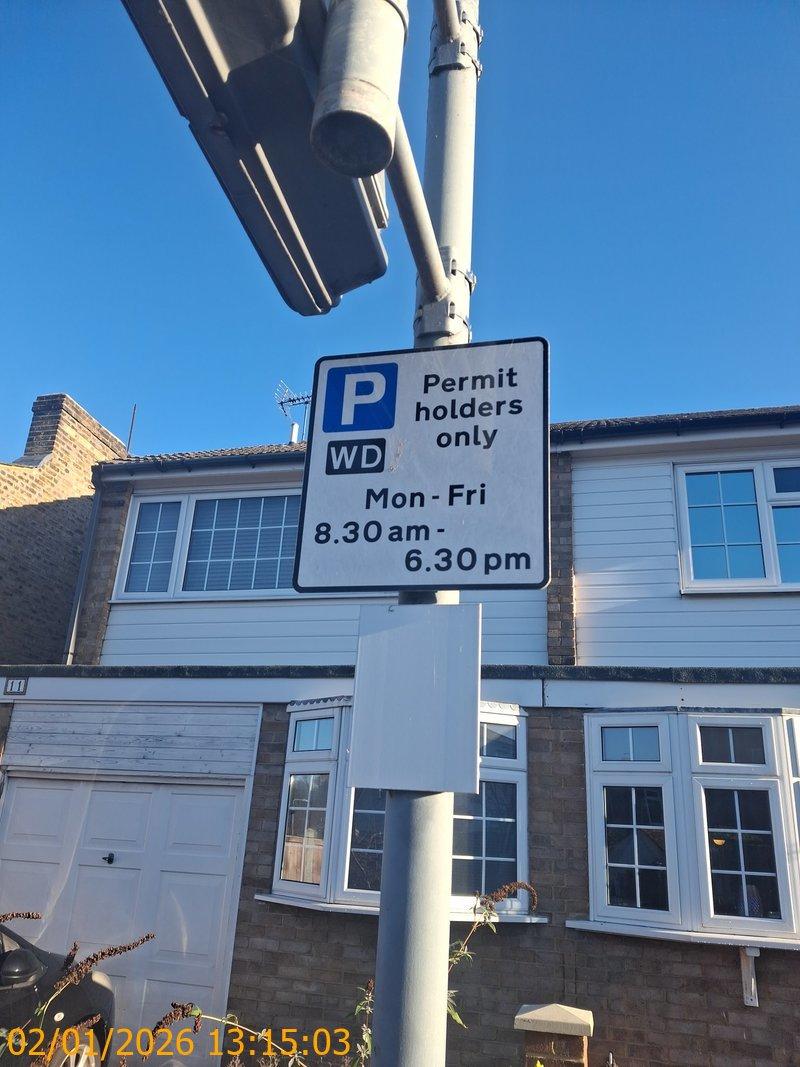
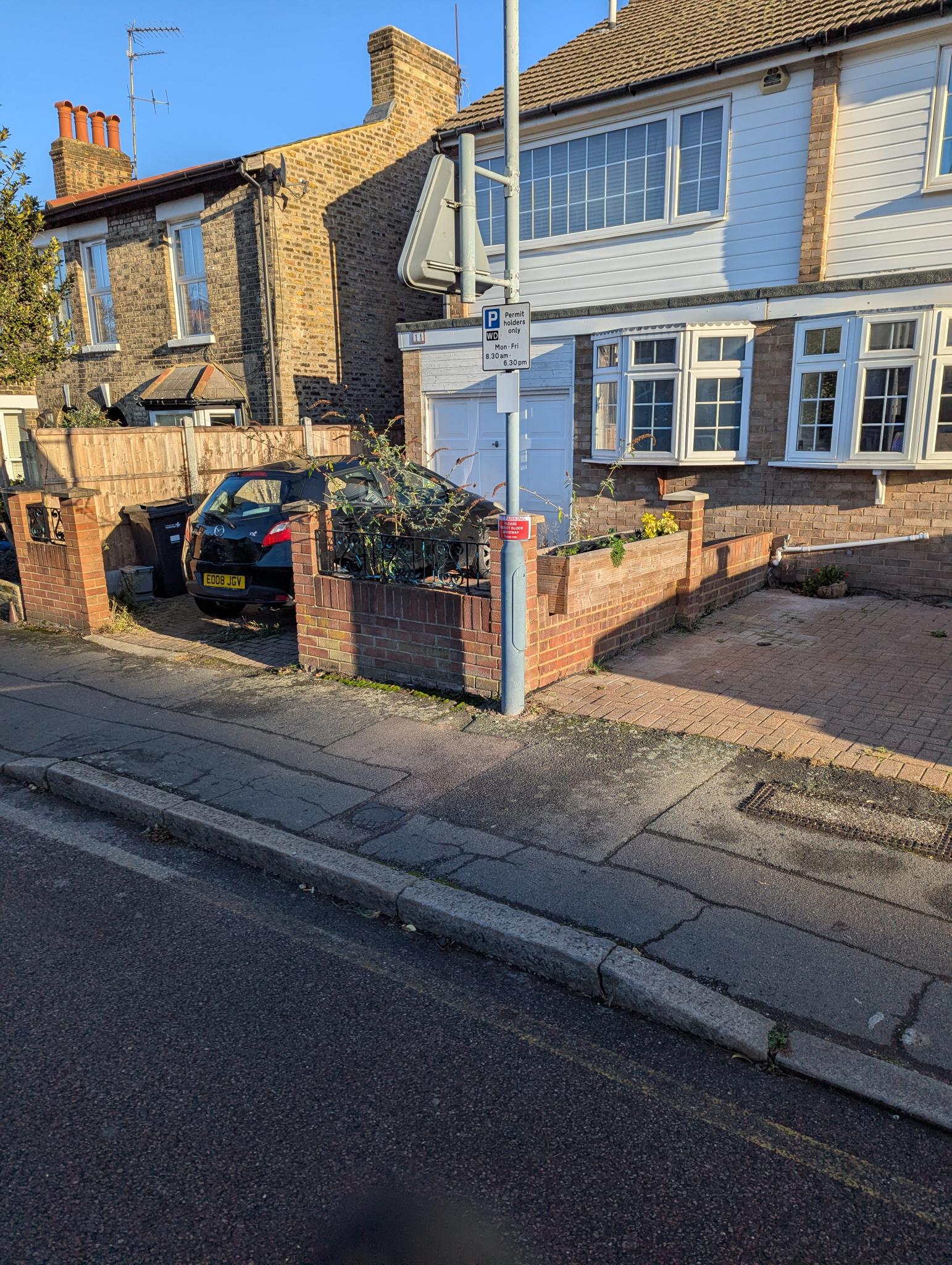
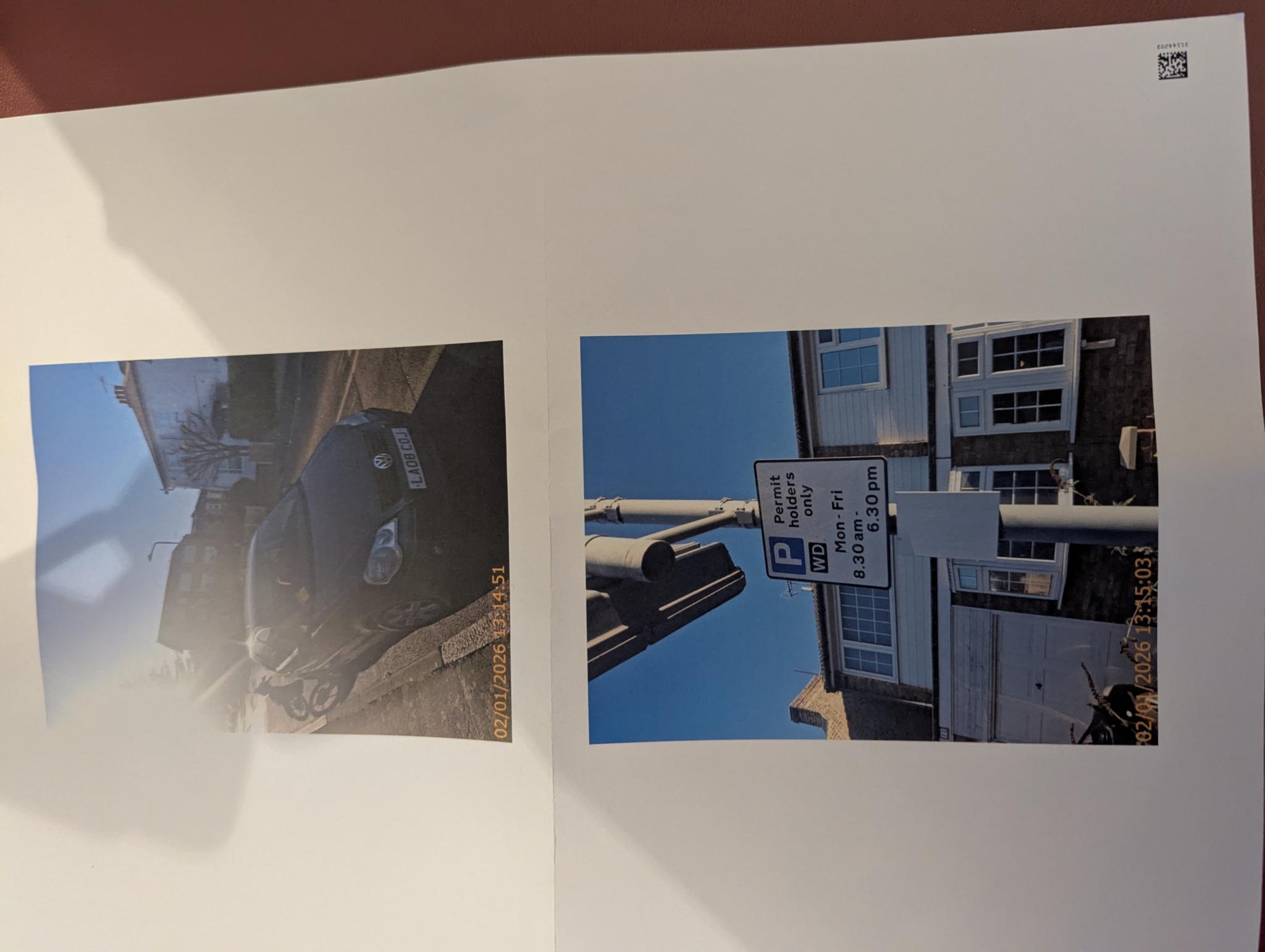
The council's Civil Enforcement Officer photographs do not include a photograph of the entry sign as it appeared at the time of the contravention. The only sign shown in their evidence is a zone repeater which is not clearly visible in the wider photographs of the vehicle, on a lamppost within the road. This repeater sign is positioned adjacent to a single yellow line restriction which stops before the section where I parked, shown in image 2. A driver encountering it would reasonably interpret it as relating to that yellow line restriction, not as a zone-wide restriction applying to the carriageway beyond it. Furthermore, a repeater sign cannot substitute for a defective mandatory entry sign — it is supplementary to it, not a replacement for it. The council has not evidenced that the mandatory entry sign was compliant on the day.
Previous adjudicator decision
This specific entry point and signage defect has already been the subject of an adjudicator decision. In case 2250151042 (Adjudicator Philippa Alderson, 23 May 2025), an appeal was allowed for a vehicle parked on Wellington Road in materially identical circumstances. The adjudicator found the left-hand entry sign rotated approximately 90 degrees and not sufficiently visible to drivers entering the road. Having considered the council's own photographic evidence, she found the right-hand sign alone insufficient to indicate the restriction, noting it was on the opposite side of the road and that it would be reasonable for a driver not to see it. As Adjudicator Alderson found in case 2250151042, a driver who missed the entry sign may reasonably conclude, in the absence of road markings, that the street is unrestricted. The full decision is provided at document 1.
The council's Notice of Rejection dated 10 March 2026, provided at document 2, attempts to distinguish that decision by asserting the right-hand sign was upright and visible at the time of my alleged contravention and that the circumstances therefore differ. This misrepresents Adjudicator Alderson's findings. She had both signs in evidence and still found the right-hand sign insufficient on identical approach geometry — a driver turning left from the High Street for whom the right-hand sign is on the far side of the carriageway. The council's distinguishing argument fails on the face of the decision, which is available on the statutory register.
The signage defect has not been remedied since May 2025. The council has defended a second PCN at the same location on a point already decided against it, while misrepresenting that decision in its rejection letter. I respectfully invite the adjudicator to consider whether this conduct amounts to wholly unreasonable behaviour on the part of the Enforcement Authority.
Suitability of restrictions
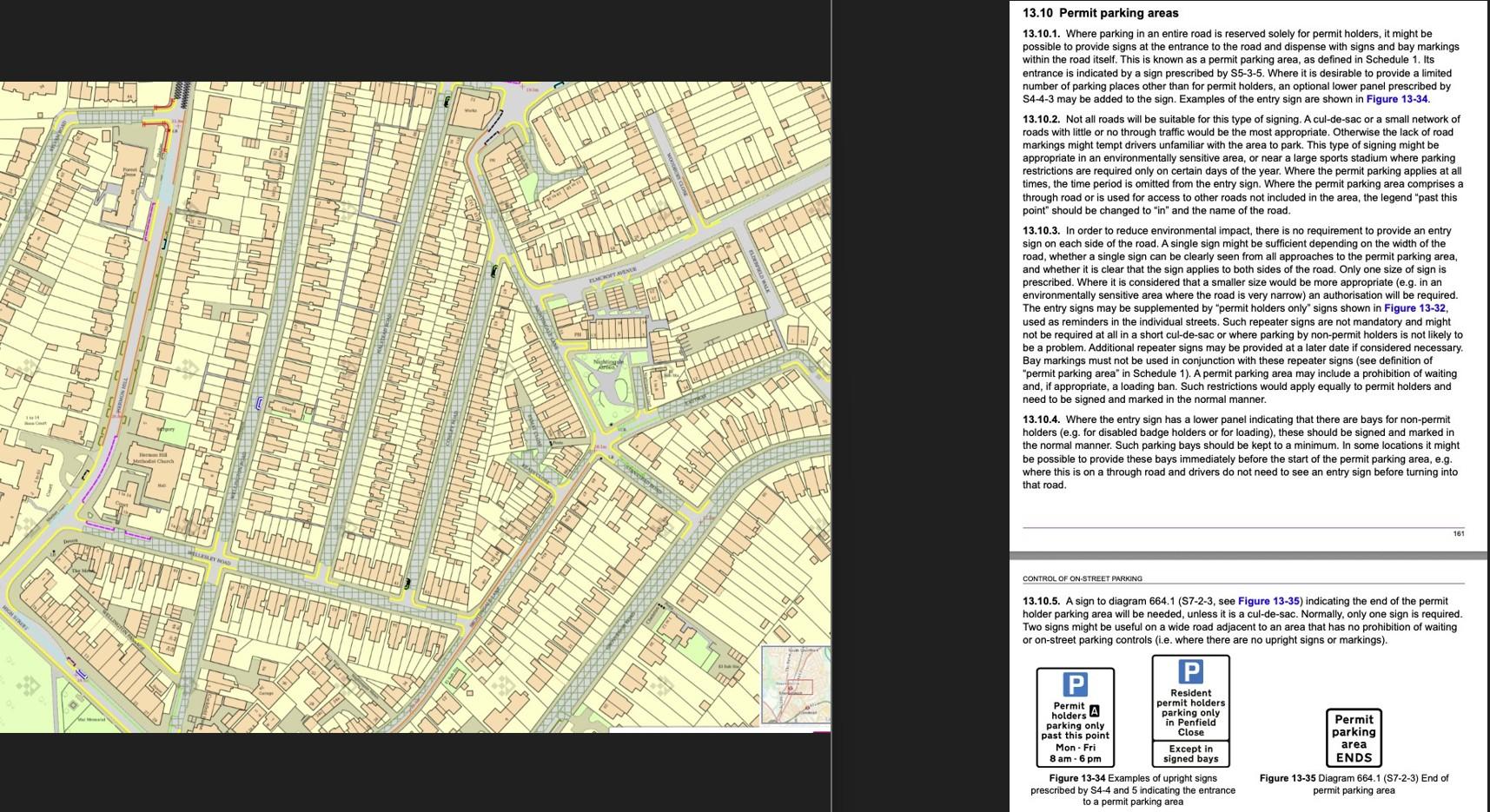
The Department for Transport's Traffic Signs Manual Chapter 3, paragraph 13.10.2, image 3, states that permit parking areas designated by entry signs without bay markings are suitable for "a cul-de-sac or a small network of roads with little or no through traffic."
Wellington Road is a through road with a mini roundabout and forms part of a large, complex permit parking zone covering multiple through roads. The application of this approach to parking restrictions in this case is inconsistent with the guidance, making it inherently difficult for unfamiliar drivers to identify the restrictions.
I request the adjudicator to allow this appeal and direct that the Penalty Charge Notice be cancelled.
Image 1 - Entry sign at Wellington Road/High Street junction showing sign rotated ~90 degrees
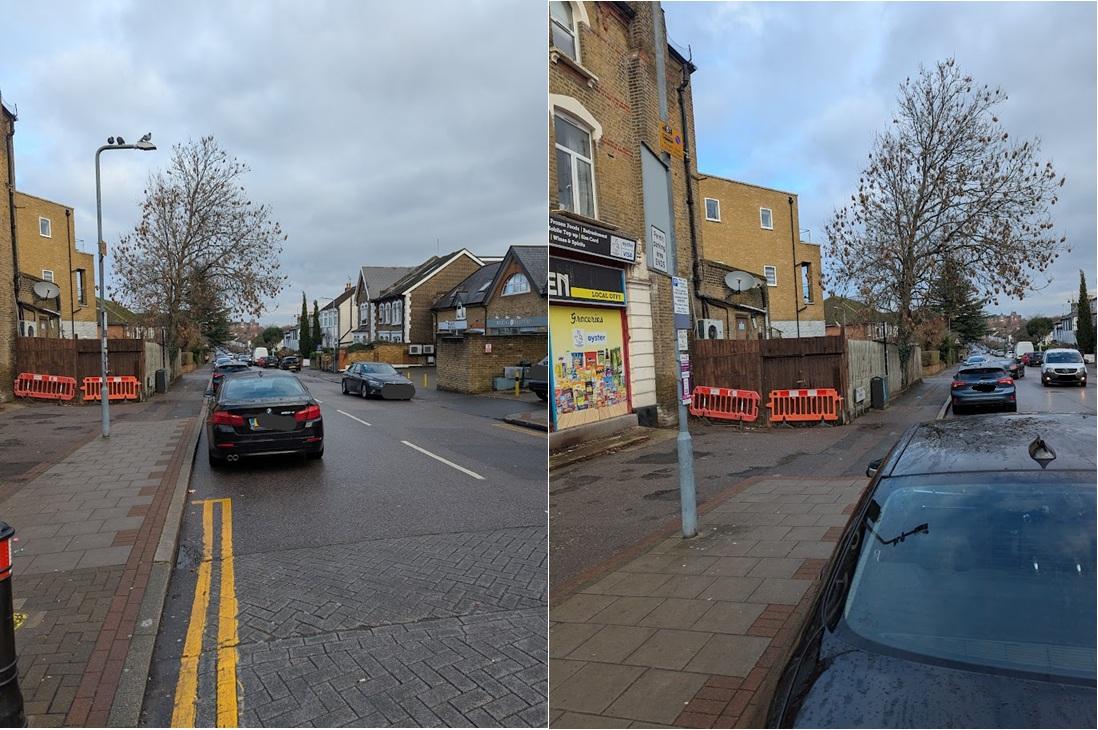
Image 2 - Car clearly parked outside double and single yellow line areas.
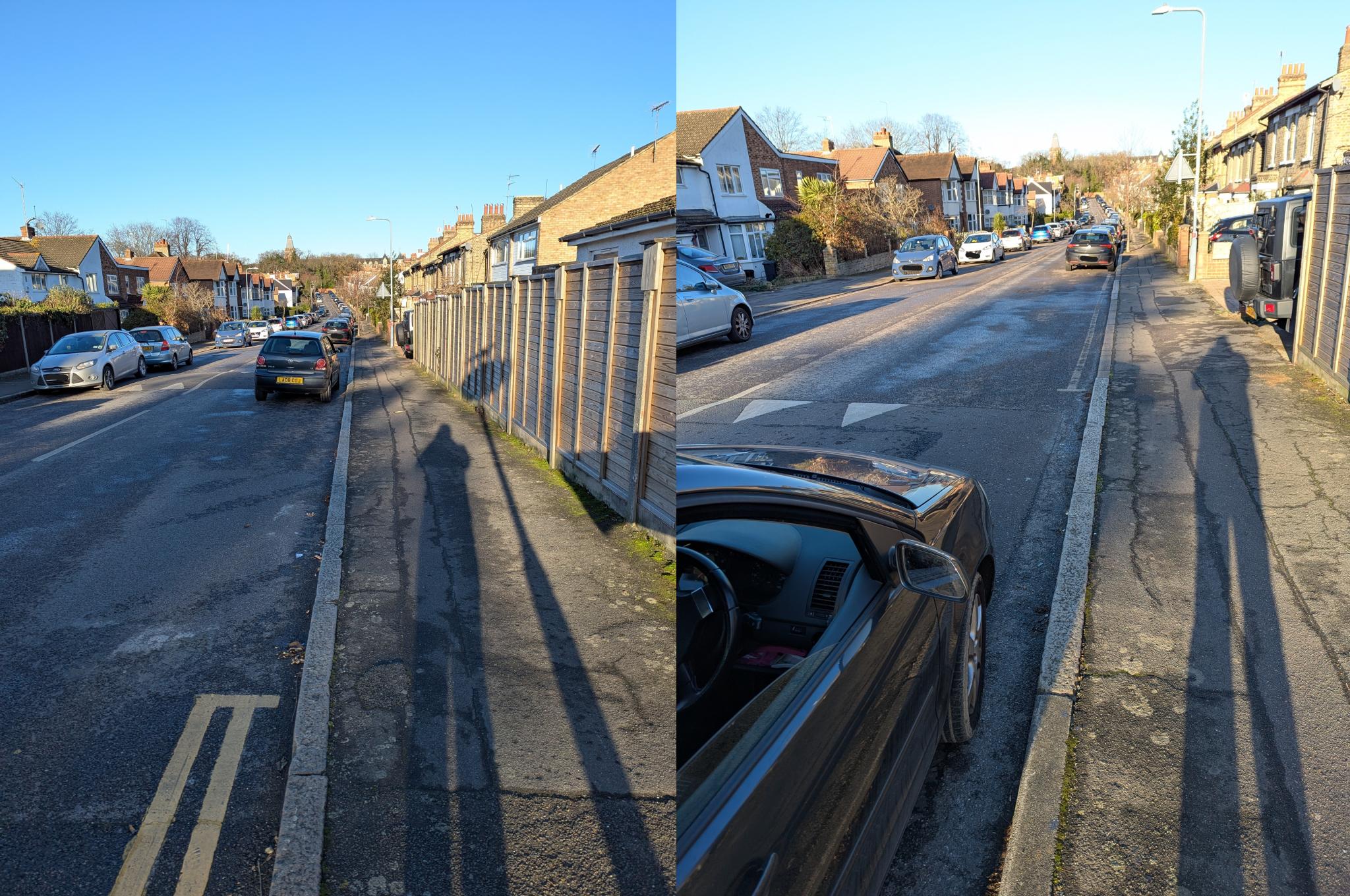
Image 3 - Map of the permit parking zone and extract from DfT Traffic Signs Manual Chapter 3, Section 13.10
Document 1:
Will attach case: 2250151042 from tribunal website
Document 2 (will convert to single pdf for submission):
will be council's rejection
 Show Posts